Fungal Nail Laser Treatment in Birmingham
Visit Us The Leading Midlands Providers
Fungal nail infections affect thousands of people in the UK every year and are notoriously difficult to clear with creams or tablets alone. If you’ve already tried topical paints, over-the-counter sprays, or prescription medication without success, there is now a proven alternative. At Central Podiatry Clinic in Birmingham, we provide state-of-the-art laser nail treatment designed to reduce infection, restore nail health, and give you back the confidence to go barefoot again.
We are the only fungal nail treatment clinic in Birmingham to offer a combination Laser Treatment To Rid Fungal Nail. We use 2 different types of laser to kill the fungus at its source and help you become fungal nail free.

Fungal Nail Laser Treatment in Birmingham
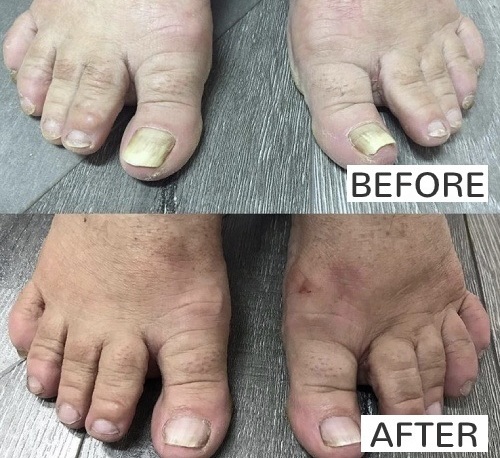
If you suffer from fungal nail infections and find it hard to get rid of them then contact us today. Our laser nail treatment is proven to reduce fungal nail infections with a 95% success rate, far higher than alternatives. Our laser nail treatment is the Gold Standard in Birmingham. In as little as 2-4 sessions you could see a noticeable difference to your fungal nail infection. The Lunula Laser has an 89% success rate and is approved by the FDA. We also use the Podylas which has a success rate of 90% as approved by the University of Barcelona. If you have tried other treatments such as toenail fungus sprays, lotions or oral prescription then our laser fungal nail treatments are safe, have no side-effects and can produce amazing results in a short amount of time.
Onychomycosis, fungal nail infection is the most common disease of the nails and causes about half of all nail abnormalities.
There are a number of home remedies including topical creams, medicated cream and medicated toenail polishes. In addition to that you can take oral antiviral drugs. The results take time to appear and are mixed.
Using a combination of hot and cold lasers we can stop fungal nail infection with a 95% success rate. Unlike other hot lasers ours is completely pain-free.
Common symptoms include:
Discoloured or thickened nails
Brittle or painful nails
Green, yellow or black discolouration
There are no side-effects and the treatment is pain-free!
For more information vist our parent site here.

60+Years Combined Experience

Excellent Aftercare

Modern Facilities

Flexible Payment Options

95% Success Rate

Tailored Solutions For You
Fungal Nail Treatment In Birmingham
Fungal nail infections are very common in people with foot problems and therefore cause considerable discomfort. Our laser nail treatments are proven, reliable and very easy to use.

No side-effects and painless!
Can also be used to treat fingernails
95% of subjects demonstrated new growth of clear nails with Lunula Laser
The Podylas is the only medically researched nail fungus treatment
Improve the appearance of your toenails again
Laser Treatment for Feet or Hands Using Both Our Gold Standard Lasers

Treat fungal nail infections in Birmingham
Our laser treatments for fungal nail infections are second to none. We use both hot & cold lasers to provide a more rounded & complete treatment. As our treatments are pain-free & non-obtrusive you will be able to carry on as normal as your toenails begin to heal!
What You Need to Know About Fungal Nail Infections (Onychomycosis)
The medical name for a fungal nail infection is onychomycosis. This condition can affect both fingernails and toenails, though it is far more common in the toes. Infection begins when microscopic fungi find their way into the nail through small cracks or gaps between the nail and its bed. Once inside, the organisms thrive because shoes provide a warm, damp environment where fungus can multiply easily. Toenails grow much more slowly than fingernails, which means these infections tend to last longer, become more visible, and are harder to treat over time.
Different Types of Nail Fungus:
Dermatophyte fungi:
Most nail infections are caused by dermatophytes, a group of fungi that feed on keratin, the protein that forms the structure of nails, skin, and hair.
Trichophyton rubrum:
The most widespread species is Trichophyton rubrum, found all over the world. It typically causes yellow or whitish discolouration, thickening of the nail plate, and brittle, crumbly edges.
Candida albicans:
This yeast-based infection is more common in people with weakened immunity, those who spend long periods with hands or feet in water, or individuals who have suffered repeated nail trauma. It often leads to painful nail deformity along with redness and inflammation of the surrounding skin.
Scopulariopsis and Fusarium:
Although less frequent, these moulds can also infect nails. They usually target nails that are already damaged or fragile, producing dark brown, black, or greenish discolouration that is particularly resistant to treatment.
How Infections Spread
Regardless of the species involved, fungi need warm, moist conditions to survive. They are often picked up in places such as swimming pools, gyms, and communal showers, or from wearing shoes that limit airflow around the feet. Once embedded under the nail plate, the infection does not resolve on its own. Without treatment, it may spread to other nails or nearby skin, leading to thickened, brittle, and uncomfortable nails. While some people think of fungal nails as only a cosmetic concern, the reality is that they can cause ongoing pain and affect day-to-day confidence.
Treating Fungal Nails in Birmingham
Early treatment makes a big difference. At our Birmingham clinic, we use an advanced dual-laser system that combines two types of laser technology to reach the infection beneath the nail plate a place that topical paints and creams cannot effectively penetrate. This hands-on approach not only clears the infection but also supports healthy nail regrowth, giving patients a safe and effective solution while lowering the risk of the problem returning.
1. Yellow, Brown, or White Nail Discolouration
One of the earliest warning signs of a fungal nail problem is a change in colour. Infected nails may appear yellow, brown, or white in certain areas. They often lose their natural shine, looking cloudy or dull instead of clear and healthy. As the infection spreads deeper, the nail may darken further. This happens because the fungus breaks down keratin, the protein that gives nails their structure. Even a small patch of discolouration can gradually spread across the whole nail. Many patients look for laser fungal nail treatment in Birmingham at this stage, as the change in appearance can affect confidence and day-to-day life.
2. Thickened, Brittle, or Splitting Nails
As the fungus progresses, nails often become thicker and harder to manage. They may crumble at the edges, split easily, or put pressure on the sensitive skin underneath. This thickening is more than just cosmetic it can make walking, exercising, or even standing in shoes uncomfortable. For this reason, a lot of people turn to toenail fungus treatment in Birmingham once thickened nails begin to interfere with daily activities.
3. Nails Lifting from the Nail Bed (Onycholysis)
Fungal infection can also cause the nail to lift away from the skin beneath it, a condition known as onycholysis. This creates a visible gap where fungi and bacteria can thrive, often showing as a yellow, white, or even greenish area under the nail. Once lifting has occurred, topical creams or paints rarely work, as they cannot reach the infection beneath the nail plate. In these cases, nail fungus laser treatment in Birmingham is often the most effective option, as the laser energy penetrates directly to the site of infection.
4. Debris Under the Nail
Another common symptom is a chalky or crumbly build-up under the nail surface. This debris is usually white or yellow and is made up of fungal material mixed with broken-down keratin. It may sometimes have an unpleasant odour and often adds to nail thickening and discomfort. If left untreated, the build-up can cause further nail separation and irritation of the surrounding skin. Our specialised onychomycosis treatment in Birmingham is designed to clear the infection at its root and restore healthier nails.
5. Pain and Discomfort in Shoes
Although fungal nails are often thought of as just a cosmetic concern, they can also be painful. Thickened or misshapen nails press against shoes, leading to soreness and pressure. Pain can worsen during walking, sports, or when wearing tighter footwear. In more severe cases, patients may even change the way they walk to avoid discomfort, which can affect posture and joints. This is one of the most common reasons people decide to book laser fungal nail treatment in Birmingham — when the infection begins to limit mobility and quality of life.
6. Spread to Other Nails or Skin
Fungal nails are contagious and can easily spread if not treated. The infection often begins in one toenail, usually the big toe, before moving to others. It may also spread to the skin around the nails, causing itching, redness, or cracking symptoms often referred to as athlete’s foot. In more severe cases, even fingernails can be affected. Once multiple nails are involved, treatment becomes more complicated and time-consuming. That’s why early fungal nail treatment in Birmingham is the best way to stop the infection in its tracks.
At Central Podiatry Clinic we see patients from Birmingham and across the Midlands who are struggling with fungal nail infections, also known as onychomycosis. Knowing what causes these infections, and who is most at risk, is key to understanding why some people develop nail fungus more easily than others. It also highlights why arranging fungal nail treatment in Birmingham early can prevent the problem from spreading and becoming more difficult to manage.
Why Fungal Nails Develop
Fungal organisms including dermatophytes, yeasts, and moulds thrive in warm, moist conditions. Common sources of infection include public swimming pools and gyms, communal showers and changing rooms, and the inside of shoes or socks that trap sweat and heat.
Once these organisms find their way into the nail, often through tiny cracks, minor injuries, or spaces between the nail and its bed, they begin to multiply beneath the nail plate. Because nails grow slowly, the infection can take hold and gradually worsen over time if it is not treated.
Who is Most at Risk of Fungal Nails?
Some groups are more prone to developing fungal nail infections than others:
Athletes and active individuals: Frequent use of shared showers, changing rooms, or damp footwear makes infection more likely.
Older adults: Slower nail growth with age means infections clear less easily.
People with diabetes: Higher susceptibility to infections and the potential for complications make fungal nails a more serious concern.
Those with circulation problems: Reduced blood supply to the feet limits the body’s ability to fight off fungal organisms.
People with weakened immunity: Whether due to illness, medication, or stress, a lowered immune response increases the risk of infection.
Additional Risk Factors
Other everyday habits and circumstances can also raise the chances of needing toenail fungus treatment in Birmingham, including:
- Wearing shoes that are tight-fitting or made from non-breathable materials
- Excessive sweating (hyperhidrosis), which keeps feet damp
- A history of athlete’s foot that has spread to the nails
- Frequent salon treatments where tools may not always be properly sterilised
- Nail trauma, such as stubbing a toe, which leaves openings for fungi to invade
Why Prompt Treatment Matters
When left untreated, fungal nail infections rarely go away on their own. They may spread to other nails or nearby skin, cause nails to thicken, split, or lift from the nail bed, and make footwear uncomfortable. Many patients also find the condition impacts their confidence, leading them to hide their feet or avoid open-toed shoes. For those with diabetes or circulation issues, secondary infections can pose more serious health risks.
This is why timely laser fungal nail treatment in Birmingham is so important. At Central Podiatry Clinic in Birmingham, we use a dual-laser approach that targets the fungus beneath the nail plate an area creams and paints cannot effectively reach. Our method provides patients with a safe, effective way to restore healthier nails and regain confidence in their feet.
Clearing a fungal nail infection is only the first step making sure it doesn’t come back is just as important. At our Birmingham clinic, we regularly see patients who successfully treated their infection, only to find it returned months later. The positive news is that with a few simple changes to your daily routine, you can make it much harder for fungus to take hold again.
The golden rule is to keep your feet clean and dry. Fungi thrive in moisture, so after washing your feet, take time to dry carefully between the toes. Slipping on socks while your skin is still damp gives infection the perfect opportunity to grow.
Footwear also plays a major role. Tight, synthetic shoes trap heat and sweat, creating an ideal environment for fungal growth. Whenever possible, choose breathable shoes made from leather or mesh, and swap your socks at least once a day or more often if you’re active or prone to sweaty feet. Cotton and moisture-wicking socks can also help keep your feet fresh and dry.
Communal areas such as gyms, pools, and shared showers are well-known breeding grounds for fungal infections. A simple pair of flip-flops or shower shoes offers effective protection and can greatly reduce your risk.
Good nail care is equally important. Trim nails straight across and avoid cutting them too short or digging into the sides, as this can cause small injuries where fungus can enter. Clean your clippers or files regularly, never share them, and if you go to a salon, make sure their instruments are properly sterilised.
Certain people should take extra care. If you have diabetes, circulation issues, or a weakened immune system, fungal nails can cause more than cosmetic problems they can affect your overall foot health. Regular foot checks and early treatment of athlete’s foot are key in these cases.
One final tip: avoid holding onto shoes you wore during an infection. Footwear can harbour fungal spores and reinfect your nails even after successful treatment. Replacing old shoes or using antifungal sprays inside them can go a long way in protecting your results.
By combining laser fungal nail treatment in Birmingham with these preventive habits, you can not only clear the infection but also keep your nails strong, healthy, and fungus-free for the future.